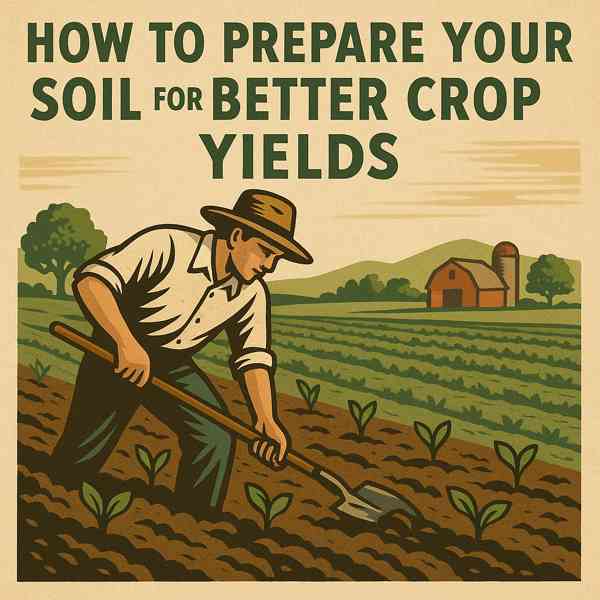
An organic farm is a natural way of growing food and raising livestock.
Starting and maintaining an organic farm requires adherence to organic standards and certification.
The Basics of Organic Agriculture
An organic farm is a agricultural practice where crops and livestock are grown using natural techniques.
Core principles of an organic farm:
- Using compost, manure, and natural amendments
- Planting different crops each season
- Using beneficial insects and companion planting
- Providing natural diets and outdoor access
By following these practices, organic farms contribute to healthier ecosystems.
Advantages of Running an Organic Farm
Organic farming offers important contributions to both the environment and human health.
Benefits of organic farming include:
- Enhanced fertility and productivity
- No harmful residues in food
- Supporting pollinators and wildlife
- Economic opportunities
Organic farming is more than a method—it’s a commitment to sustainable living.
How to Launch Your Organic Farm
Starting an organic farm requires dedicated effort.
Key actions to take:
- Research organic certification requirements
- Use natural fertilizers and compost
- Plan crop rotation and planting schedules
- Maintain purity of organic status
Starting with the right foundation ensures your farm will meet certification requirements.
Issues Organic Farmers Face
Managing an organic farm can be more labor-intensive compared to conventional agriculture.
Key difficulties to consider:
- Weed management without herbicides
- Avoiding synthetic pesticides
- Maintaining soil fertility
- Regular inspections and paperwork
Overcoming these challenges requires read more creative solutions to everyday problems.
Marketing Organic Farm Products
Consumers are often willing to pay a premium, but they need to know your products exist.
How to promote your organic farm:
- Building personal relationships with buyers
- Social media and online presence
- Delivering fresh produce regularly
- Offering unique and high-quality products
By building a strong brand and connecting with the community, your organic farm can grow steadily.
Where Organic Agriculture Is Heading
Technological advancements and changing regulations are shaping the future.
What to watch in organic farming:
- Using data to optimize production
- Implementing drought-resistant methods
- Direct-to-consumer sales growth
- Green certifications and labeling
Staying ahead of these trends will help organic farmers meet modern expectations.
Final Thoughts on Organic Farming
Whether you’re just starting or looking to expand, the commitment to organic practices brings a path to sustainable success.
By following eco-friendly methods and engaging with your community, you can build a thriving organic farm.